
Ayurvedic Treatment for Neck Pain In Coimbatore
Best Ayurvedic Treatment for Neck Pain in Coimbatore
Ayurvedic treatment for neck pain at Avanika Ayurveda, Coimbatore, helps manage stiffness, discomfort, and restricted neck movement using classical therapies, herbal medicines, diet, and lifestyle guidance. This involves a combination of external therapies like Nasya (Nasal instillation), Greeva Vasti (Oil retention in the cervical region), Virechana (purgation) and Vasti(enema), along with internal medications and dietary changes

Pure Herbal

Evidence Based

Guranteed Results
Book An Ayurvedic Treatment for Neck Pain in Coimbatore.
If you are looking for an Ayurvedic Treatment forNeck Pain in Coimbatre , Book an appointment and get free consultation.
What is included in Our Ayurvedic Treatment for Neck Pain
Initial Assessment
- Comprehensive evaluation of medical history, daily routine, posture, and lifestyle habits
- Physical examination to identify affected muscles, ligaments, and joint stiffness
- Doshic assessment for personalised therapy and herbal medicine planning
- Discussion of previous treatments and chronic issues, if any
Therapies & Procedures
- Abhyanga (therapeutic oil massage): Relaxes stiff muscles, improves circulation, and stimulates lymphatic drainage
- Greeva Vasti: Retention of warm medicated oil over the neck using a urad dal dough boundary for nourishment of neck muscles and joints
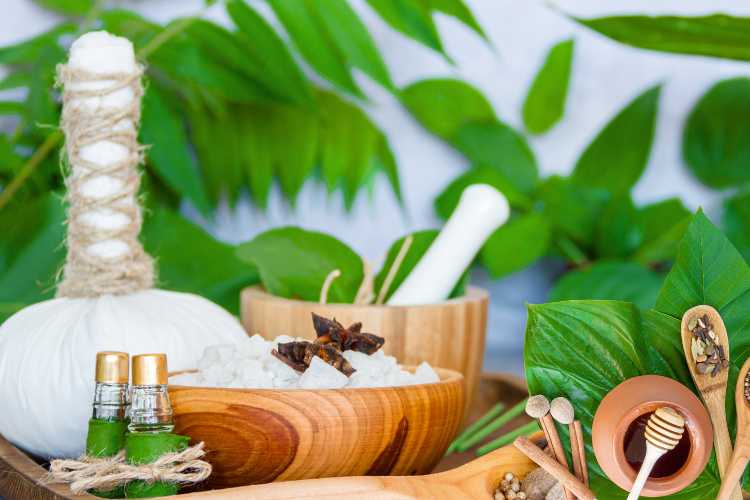
- Kizhi (herbal pouch fomentation): Warm herbal poultices applied to the neck to ease stiffness and Vata imbalance
- Nasyam: Nasal administration of herbal oils to pacify Vata in the head and neck
- Lepam: Application of herbal pastes to relieve swelling and inflammation, and nourish muscles and joints
Internal Medicines
- Prescribed according to the patient’s doshic imbalance and constitution
- Includes Rasna, Dashamoola, Guggulu, Eranda, and Ashwagandha
- Helps support muscle strength, reduce stiffness, and maintain nerve and joint health
Support & Follow-Up
- Regular monitoring and evaluation of therapy effectiveness
- Adjustments in internal medicines and therapies as needed
- Guidance on posture correction, home exercises, and ergonomic practices
Aim of Avanika's Ayurvedic Treatment Package for Neck Pain
The Ayurvedic treatment for neck pain aims to:
- Helps relieve occupational stiffness: Targeting neck and shoulder muscles affected by long hours of sitting, screen exposure, or repetitive movements.
- Balances aggravated Vata dosha: Restoring mobility, nerve function, and tissue nourishment impacted by prolonged desk work or physical strain.
- Helps improve posture and ergonomics: Supporting proper spinal alignment to prevent recurrence of pain due to work-related posture issues.
- Reduces muscular fatigue and tension: Enhancing flexibility and blood circulation in the neck and shoulder region.

Benefits of Avanika's Ayurvedic Treatment Package for Neck Pain
- Relieves stiffness and discomfort: Helps ease tightness in the neck and shoulders caused by prolonged sitting, computer use, or repetitive movements.
- Supports improved posture: Encourages spinal alignment and corrects postural imbalances common in desk-bound professions.
- Reduces muscular fatigue and tension: Enhances blood circulation and relaxes overworked neck and shoulder muscles.
- Balances occupational stress effects: Helps manage tension-related neck pain that arises from work pressure and mental strain.
- Supports long-term spinal health: Prevents recurrence of pain through lifestyle guidance, ergonomic advice, and dosha-balancing therapies.
What are the symptoms of Neck Pain
Local ache or stiffness — dull, constant soreness or difficulty turning the head. Mayo Clinic+1
Reduced range of motion — trouble looking up, down, or side-to-side. Mayo Clinic+1
Sharp or shooting pain — sudden, lancinating pain that may feel worse with certain movements. WebMD+1
Pain that radiates into the shoulder, arm or hand (can indicate a pinched nerve / cervical radiculopathy). Mayo Clinic+1
Numbness, tingling, or weakness in the arm or hand — suggests nerve involvement. Mayo Clinic+1
Muscle tightness or spasms — knots or sudden tightening in neck/shoulder muscles. mskdorset.nhs.uk+1
Headache — especially at the base of the skull (cervicogenic headache). nhs.uk+1
Clicking, grinding, or a feeling of a “bump” in the neck with movement (seen with degenerative changes). Cleveland Clinic
Less common — dizziness, balance problems (can occur with some cervical conditions). Cleveland Clinic
Red flags — get urgent care or see your doctor quickly if you have
Recent major trauma (car crash, fall) with neck pain.
Fever plus stiff neck (could indicate infection such as meningitis).
Sudden, severe weakness, loss of coordination, or numbness in both arms/legs; or new loss of bladder/bowel control.
Pain that rapidly worsens or is not helped by rest and home measures.
These warning signs are emphasized by major medical sources as reasons to seek prompt assessment. Mayo Clinic+1
Brief self-care (when no red flags)
Short rest, avoid painful positions; use heat or cold for 15–20 min.
Gentle neck range-of-motion and stretching (don’t force painful positions).
Improve posture (phone/computer height), ergonomic chair/desk adjustments.
Over-the-counter pain relievers (ibuprofen/acetaminophen) as appropriate.
If it persists > a few weeks, ask your GP about physiotherapy, guided exercises, or further imaging. Mayo Clinic+1
What are the causes of Neck Pain?
Mechanical / soft-tissue causes (most common)
Muscle strain or sprain — from overuse (long hours at a computer, looking down at a phone), abrupt movement, or awkward sleeping position.
Poor posture / “text neck” — prolonged forward head posture strains muscles and ligaments.
Myofascial pain & muscle spasm — local trigger points or tight bands in neck/shoulder muscles.
These are the leading everyday causes of neck pain.
Degenerative & age-related causes
Cervical spondylosis / osteoarthritis — “wear-and-tear” changes in the cervical spine (discs and joints) that develop with age.
Degenerative disc disease and bone spurs that irritate nearby structures.
These conditions become more common after age 40 and are frequent causes of chronic neck pain. nhs.uk
Nerve-related causes
Herniated (slipped) cervical disc — disc material can press on nerve roots causing pain that radiates into the shoulder/arm (cervical radiculopathy).
Cervical spinal stenosis — narrowing of the spinal canal that compresses nerves or the spinal cord (can cause weakness, numbness).
Nerve compression often produces sharp, shooting pain, tingling, numbness or weakness down the arm.
Trauma & injury
Whiplash (rapid flexion–extension injury, often from car crashes)
Fracture or direct blow to the neck (more severe trauma requires immediate evaluation).
Trauma can cause both immediate and delayed neck pain and must be assessed after significant injury. (See “red flags” below.)
Inflammatory, infectious, and systemic causes
Rheumatoid arthritis and other inflammatory arthropathies can involve cervical joints.
Meningitis (infection around the brain/spinal cord) — causes severe neck stiffness, fever and headache; less common but serious.
Herpes zoster (shingles) affecting cervical nerves can cause sharp pain in a band-like distribution before the rash appears.
Vascular and rare but serious causes
Vertebral or carotid artery dissection — a tear in a neck artery can present with new, severe unilateral neck pain or occipital headache and can lead to stroke.
Tumors/metastatic disease in the cervical spine (rare) may present with progressive pain, worse at night, or with neurological signs.
Referred pain & other causes
Referred pain from jaw (TMJ), teeth, or even angina/heart attack (pain may be felt in the neck) — less common but important to consider.
Cervical dystonia (involuntary muscle contractions) and fibromyalgia may also produce neck pain/tightness.
Risk factors
Non‑modifiable risk factors (what we can’t change)
Age and degenerative changes: Over time, intervertebral discs and facet joints naturally lose elasticity and height. These changes increase the likelihood of stiffness and pain.
Previous neck injury: A history of whiplash or cervical trauma raises the risk of recurrent symptoms.
Underlying systemic disease: Conditions such as inflammatory arthritis or past cancer may predispose to neck problems; these require medical follow-up.
Knowing these helps prioritize vigilance: if you have one or more non‑modifiable risks, be more proactive about the modifiable factors.
Modifiable risk factors (the main targets for prevention)
The majority of work we do to prevent neck pain focuses here.
1. Poor posture and head-forward position
Holding the head forward (even 2–3 inches) multiplies the effective weight the neck muscles and joints must support. Over minutes and hours this leads to muscle fatigue, trigger points and tendon overload.
What to change: bring screens to eye level, use a document holder, avoid prolonged phone‑looking with the chin down, and practice mid‑back-supported sitting.
2. Prolonged static sitting and lack of movement
Sitting for long, uninterrupted periods increases muscle tension and reduces circulation in postural muscles.
What to change: stand or move for 1–2 minutes every 30–60 minutes; use a sit–stand desk or set a gentle timer.
3. Occupational demands and repetitive tasks
Jobs involving repetitive neck movements, awkward sustained postures (driving, microscope work) or prolonged one‑sided postures increase load on specific muscles and joints.
What to change: redesign tasks where possible, alternate activities, and take micro‑breaks with mobility exercises.
4. Weakness and muscular imbalance
Weak deep neck flexors and upper back muscles (scapular stabilisers) allow the larger superficial muscles to overwork and develop painful knots.
What to change: add targeted strengthening for deep neck flexors and mid‑upper back at least 3 times per week.
5. Poor sleep and unsupportive pillows
Sleeping with the neck unsupported or on too many pillows can perpetuate morning stiffness.
What to change: use a supportive pillow that maintains neutral neck alignment; sleep on your back or side rather than stomach when possible.
6. Tobacco, poor general fitness and excess weight
Smoking impairs soft tissue health; weak cardiovascular fitness and excess body weight increase mechanical load and reduce tolerance to sustained postures.
What to change: smoking cessation, regular aerobic activity, and gradual weight management improve resilience.
7. Medication overuse and inactivity
Relying long-term on painkillers without addressing behaviour permits chronic patterns to develop.
What to change: use medications judiciously and pair them with active rehabilitation.
Psychosocial and behavioural risk factors
Pain is never purely physical. Workplace stress, low job control, lack of social support, anxiety and depression all increase the risk of persistent neck symptoms.
High job demands + low control correlate with higher prevalence of neck pain.
Catastrophizing and poor coping amplify perceived pain and disability.
What to change: where possible, negotiate workload, improve task predictability, seek workplace social support, practise stress reduction (breathing, short mindfulness), and consider counselling if anxiety or depressive symptoms are present.
Medical and structural risk factors
Herniated cervical discs and nerve root compression: may present with radiating arm pain, numbness and weakness. These are more commonly associated with heavy lifting or sudden movement in susceptible people.
Cervical spondylosis: degenerative joint and disc disease that increases with age.
Inflammatory or systemic disease: rheumatoid arthritis and certain infections change risk and require specialist care.
Ayurvedic Perspective
Pathogenesis
- Neck pain (Griva Shula) arises due to aggravated Vata dosha disrupting normal muscle and joint function
- Reduced lubrication in cervical joints leads to stiffness, limited mobility, and discomfort
- Chronic Vata imbalance may impact daily activities, posture, and sleep quality
Doshic Involvement
- Primarily Vata dosha, causing dryness, stiffness, and tension
- Occasionally combined with Kapha, contributing to heaviness and rigidity
- Pitta involvement may cause warmth, inflammation, or mild burning sensations
Common Contributing Factors
- Prolonged sitting or forward-bending posture
- Sleeping in unsuitable positions or on inappropriate pillows
- Sudden jerky neck movements or lifting heavy objects
- Mental stress, irregular routines, or prolonged screen time
- Exposure to cold, dryness, or an unbalanced diet
Ayurvedic treatment for Neck Pain in Coimbatore
At Avanika Ayurveda, Coimbatore, the Ayurvedic treatment for neck pain combines classical Panchakarma therapies, internal medicines, and lifestyle guidance to restore neck flexibility, comfort, and overall spinal health. Treatment is tailored based on the patient’s constitution (prakriti), severity of stiffness, and doshic imbalance.
Snehana and Swedana (Oleation and Sudation)
Therapies under Snehana (oleation) and Swedana (sudation) help lubricate tissues, relieve stiffness, and support nourishment of the cervical muscles and joints.
Rooksha Sweda (Dry Fomentation):
- Choorna Pinda Sweda using dry herbs is particularly useful in early stages of neck pain, especially when stiffness and Kapha dominance are present.
- Helps reduce heaviness and promotes mild warmth to affected areas.
Snigdha Sweda (Oil-based Sudation):
- Oil-based therapies such as Jambeera Pinda Sweda, Patra Potali Sweda, and Shashtika Shali Pinda Sweda support tissue lubrication and rejuvenation.
- These therapies help relieve tightness and improve neck mobility.
Greeva Vasti:
- A specialised therapy where warm medicated oil is retained over the cervical spine region using a black gram dough boundary.
- Supports nourishment of neck tissues, improves flexibility, and provides lasting comfort.
External Applications (Thalam and Lepana)
Herbal pastes and applications on the scalp and neck are used to soothe inflammation and swelling and support nerve function.
Common Preparations:
- Thalam (application of herbal paste on the vertex) with Kachooradi Choorna and Nimbamruthadi eranda thailam
- Bala Moola ground in milk, mixed with Navaneetha for Lepana on head and neck
- Thalam with Rasnadi Choorna and Ksheerabala Taila
Benefits:
- Reduces inflammation, stiffness and tension in neck muscles
- Supports nerve tissue health
- Promotes local nourishment and flexibility
Internal Medications
Internal herbal medicines complement external therapies to support musculoskeletal and nerve health.
Commonly Used Formulations:
- Guggulutiktaka Kashaya
- Rasnadi Kashaya
- Yogaraja Guggulu
- Trayodashanga Guggulu
- Ashwagandha Churna
- Bala Taila (for internal use or as part of Abhyanga)
Benefits:
- Supports bone and nerve tissue health
- Reduces stiffness and discomfort
- Helps maintain long-term joint function
Panchakarma
Basti Karma:
Medicated enemas using oils or herbal decoctions are a cornerstone of Vata disorders. Both Anuvasana (oil-based) and Nirooha (decoction-based) enemas are utilised depending on the patient’s condition.
Effective Vasti Combinations:
- Gugguluthikthaka Ksheera + Cow’s milk (120 ml)
- Honey (used for emulsification)
- Kethakimooladi Taila
- Gugguluthikthaka Ghrita
Benefits:
- Balances aggravated Vata dosha
- Nourishes muscles, ligaments, and joints
- Supports long-term flexibility and pain relief
Nasya (Nasal Therapy)
Nasya is highly effective as it directly influences the Uttamanga (head region) and helps pacify aggravated Vata.
Brimhana Nasya:
- Indicated to support nerve and joint tissues of the cervical region.
- Commonly used medicated oils include:
- Ksheerabala Taila 21 or 41 Avarthi
- Dhanwantharam Taila 21 or 41 Avarthi
Benefits:
- Supports nerve function and joint lubrication
- Reduces stiffness and heaviness in neck and shoulders
- Enhances relaxation and mobility
Individualisation & Contraindications
- All treatments are tailored based on age, constitution, severity, and lifestyle
- Panchakarma therapies like vasti, virechanam and nasyam are avoided during acute inflammation, fractures, or pregnancy
Procedure
Step-by-Step Patient Experience
At Avanika Ayurveda, Coimbatore, neck pain treatment follows a structured and personalised approach to ensure comfort, safety, and effective results. The typical procedure includes:
- Initial Consultation Prakriti and Doshic Assessment:
A detailed evaluation of medical history, lifestyle, posture, and doshic constitution to personalise therapies and medicines. - Administration of Internal Medications:
Herbal formulations prescribed to support nerve, joint, and muscular health, reduce stiffness, and balance aggravated doshas. - Steam Therapy / Hot Fomentation:
Mild steam or warm compresses applied based on the patient’s condition to relieve stiffness, coldness, and heaviness in the neck. - Application of Lepam (Herbal Paste):
Medicated pastes applied over the affected area to reduce swelling, inflammation, and tension. - Oil Massage (Abhyanga):
Warm medicated oil massage to relax neck muscles, improve blood circulation, and support flexibility. - Application of Kizhi / Herbal Poultice:
Herbal pouches applied over neck and shoulder region to ease stiffness, nourish tissues, and rejuvenate muscles. - Localised Therapies:
- Griva Vasti: Retention of warm medicated oil over the cervical spine to provide targeted nourishment and comfort.
- Localised Pizhichil: Gentle pouring of warm medicated oil over the neck for deep relaxation and rejuvenation.
- Nasya (Nasal Therapy):
Medicated oils administered through the nasal passage to pacify Vata, support nerve function, and reduce cervical stiffness. - Vasti (Medicated Enemas):
Oil-based or decoction-based enemas to correct Vata imbalance and nourish musculoskeletal tissues. - Virechana (Therapeutic Purgation):
Used when indicated to eliminate Pitta toxins and support systemic balance for chronic neck pain cases. - Short Rest with Post-Therapy Guidance:
Patients are advised to rest briefly after the session, followed by guidance on posture, exercises, and home care to maintain therapy benefits.
Course Length & Frequency
- Typically 7–21 days, depending on severity and chronicity
- Maintenance sessions every 3–6 months for posture-related strain
What to Expect During a Session
During an Ayurvedic treatment session at Avanika Ayurveda, Coimbatore, patients experience a relaxing and personalised process that provides:
- Reduced muscle stiffness
- Relaxation of tense muscles
- Enhanced comfort after completing the therapy sessions
- Deep relaxation and gradual relief from stiffness
- Improved neck mobility and circulation over time
Patients typically feel relaxed, light, and comfortable, with gradual improvement in neck mobility and reduced stiffness over multiple sessions.
Lifestyle Recommendations
Daily Routine / Dinacharya
- Wake up early. Maintain regular sleep and wake-up times
- Do not suppress your natural urges
- Morning oil massage for neck and shoulders
- Gentle neck exercises and yoga (e.g., Bhujangasana, Marjariasana)
- Short walking breaks during prolonged sitting
Ergonomics & Posture
- Hold your phone at eye level so your head remains in a neutral, upright position at a 0-degree angle.
- Maintain an upright posture while sitting or working on screens
- Use supportive chairs and a monitor at eye level
- Take 2 minutes break every 45–60 minutes to stretch
Sleep & Rest
- Use supportive pillow and medium-firm mattress
- Avoid sleeping on stomach or using very high pillows
Stress Management
- Deep breathing exercises, meditation, and relaxation techniques
- Reduce prolonged mental strain and overwork
Diet During Ayurvedic Treatment for Neck Pain
Recommended Foods
- Ragi and rice dishes, Pongal, Idli, Dosa with sambar or chutney
- Moong dal-based curries
- Vegetables like ladies’ finger, broccoli, cauliflower, spinach and moringa are rich in calcium and magnesium and proven beneficial for maintaining joint health
- Ghee and sesame oil in moderation
- Buttermilk, mildly spiced soups, and rasams
Foods to Avoid
- Ice cream, or other cold, raw, or dry foods
- Vegetables like tomatoes, potatoes, peppers, eggplant
- Excess fried or processed foods
- Excess coffee, tea, or carbonated drinks
Sample 1-Week Menu
- Breakfast: Idli with coconut chutney and ghee/ Pongal with mild spices, or Dosa with sambar/ Ragi dosa with ghee and chutney
- Lunch: Steamed rice with sambar, rasam, poriyal, buttermilk and ghee
- Dinner: Vegetable soup/ Ragi soup
- Snacks: Herbal teas (ginger, cumin), roasted gram, seasonal fruits
Dietary Tips:
- Consume warm, easy-to-digest meals to balance Vata dosha
- Avoid excessive cold drinks or refrigerated food
- Include turmeric, ghee, sesame, ragi etc to nourish joints
Dos and Don’ts
Dos
- Apply warm sesame oil massage to neck and shoulders daily
- Take short walks or mild stretches during work hours
- Keep neck warm in cold weather
- Drink warm water and herbal decoctions
Don’ts
- Avoid sudden neck twists or heavy lifting
- Do not expose neck to cold drafts or air-conditioning for long periods
- Avoid skipping therapies or prescribed medicines
- Limit prolonged mobile or computer use in forward-bent posture
How to Prevent Neck Pain in Natural Way?
- Daily self-massage with warm sesame oil
- Hot fomentation/towel compresses for 10–15 minutes
- Epsom salt bath
- Mild supervised neck stretches to strengthen the adjacent muscles
- Maintain hydration with warm herbal teas
- Avoid long daytime naps and late-night work
Avoid slouching
Preventive Measures
Maintenance Routine
- Periodic oil massage for neck and shoulders
- Correct posture during work and sleep
- Gentle yoga and stretching exercises
Seasonal Care (Rithucharya)
- Winter: Warm oils, hot soups, and cooked meals
- Summer: Light, cooling, and easily digestible meals
- Monsoon: Warm food, avoid damp cold exposure, and maintain dry clothing
When to Seek Urgent Care
Seek immediate medical attention if neck pain is accompanied by:
- Radiating pain or numbness in arms or fingers
- Weakness or tingling in upper limbs
- Persistent severe pain unrelieved by rest
- Headache, fever, or dizziness
Outcomes & Follow-Up
- Reduced neck stiffness and improved flexibility
- Better posture and reduced muscular fatigue
- Enhanced comfort during daily activities
- Follow-ups every 3–6 months for long-term maintenance
Who Is This Treatment For / Who Should Avoid
Ayurvedic treatment for neck pain at Avanika Ayurveda is tailored to meet the specific needs of individuals experiencing neck discomfort, including IT professionals and those affected by occupation-related stress or strain.
Suitable For:
- Neck stiffness from posture-related strain
- Early degenerative changes
- Stress-related muscular tightness
Not Suitable For:
- Acute trauma, fractures, or spinal infections
- Severe cervical injuries requiring orthopaedic attention
Cost & Packages
Packages at Avanika Ayurveda, Coimbatore, are customised based on therapy selection, duration, and patient needs. Detailed pricing is provided after consultation
What are you waiting for...
Book an Appointment
Hours & Contact
28A Bharathi Park 7th Cross, Saibaba Colony, Coimbatore
641043
+9142229 69555
+9189039 69555
[email protected]
Open All Days 7:00 AM -7:00 PM